Home Maintenance Tips
Does your home need a water softener?
July 9, 20264 min read
 Anna Wenner
Cleaning your lint trap is a thirty second task that helps prevent fires, extends the life of your clothes dryer, and helps your clothes get dry faster.
Your dryer’s lint trap is basically a filter between your clothes and the exhaust pipe to the outdoors. Keeping the lint trap clean helps keep lint out of your exhaust pipe for longer, meaning you don’t have to worry about vent buildup as often.
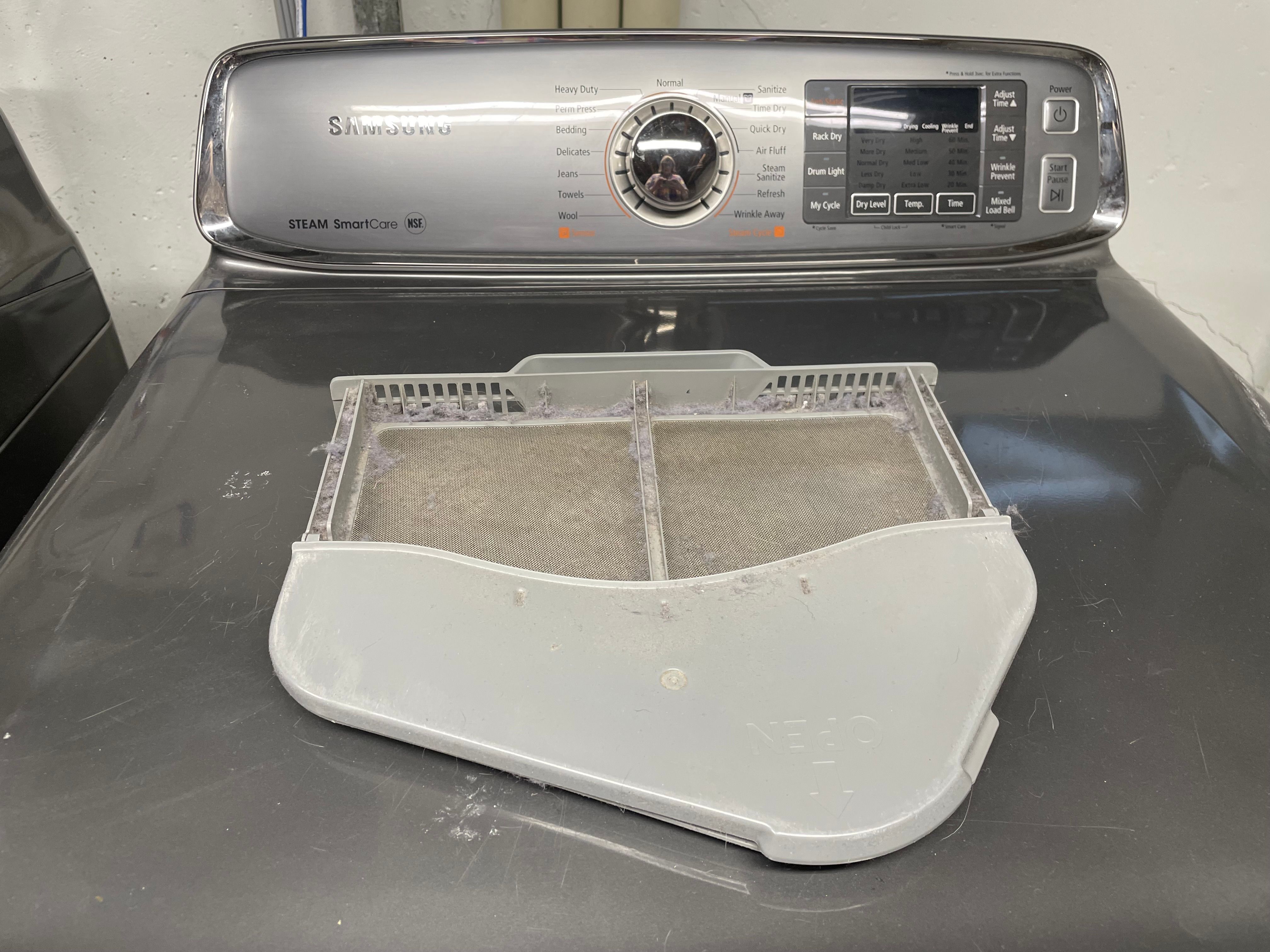
Even the most diligent person might forget to clean the lint trap on occasion, and this really isn't something to worry about. Unless you're running a ton of lint-heavy items like blankets, pet-hair-covered clothing, or thick fabric through repeatedly, the buildup isn't going to be so fast that it causes an immediate problem.
That said, leaving it unattended for endless cycles absolutely is.
The truth is, not everyone was taught to clean the lint trap. You might be reading this right now with dawning horror, so I want to be clear that it's okay. Really. We're all new to this at some point, and learning now is still better than learning later. I still think back on the day that I asked my otherwise highly responsible and consistently helpful friend why they never bothered to clean the lint trap and their answer was simply, "the what?"
All that being said, there are three really good reasons to start making dryer lint trap cleaning a regular part of your routine:
Your dryer will last longer. Because the lint trap works a little bit like a filter, having a full or clogged lint trap forces the dryer to work much harder to force warm air out through its exhaust vents. This extra effort means that your dryer will wear out faster and you'll be replacing it more often.
Your clothes get dry faster. A clogged lint trap means a clogged airflow, which can quickly impact how long it takes clothes to dry. Without freely flowing air like it's meant to, you might find your clothes staying damp much longer than your dryer's settings say they should.
You can prevent fires and keep your home safe. Lint is highly flammable and combustible. Given that it's located inside of a heat-based appliance, having a nice little stockpile isn't a great combination. If your dryer malfunctions, a little lint from a single load of laundry probably won't end up being a huge deal. However, a huge mass of lint will essentially act as kindling and can lead to a much bigger problem.
In general, you should be cleaning out the lint trap with every load of laundry you do.
This is especially important for bulky items like blankets, towels, sweatshirts, and anything that you expect to have a lot of debris (such as pet hair).
Your lint trap is most likely somewhere that is easily accessible when you add and remove clothing, such as the bottom of the door. You will likely see the removable tray, though possibly only the top or side of the tray.
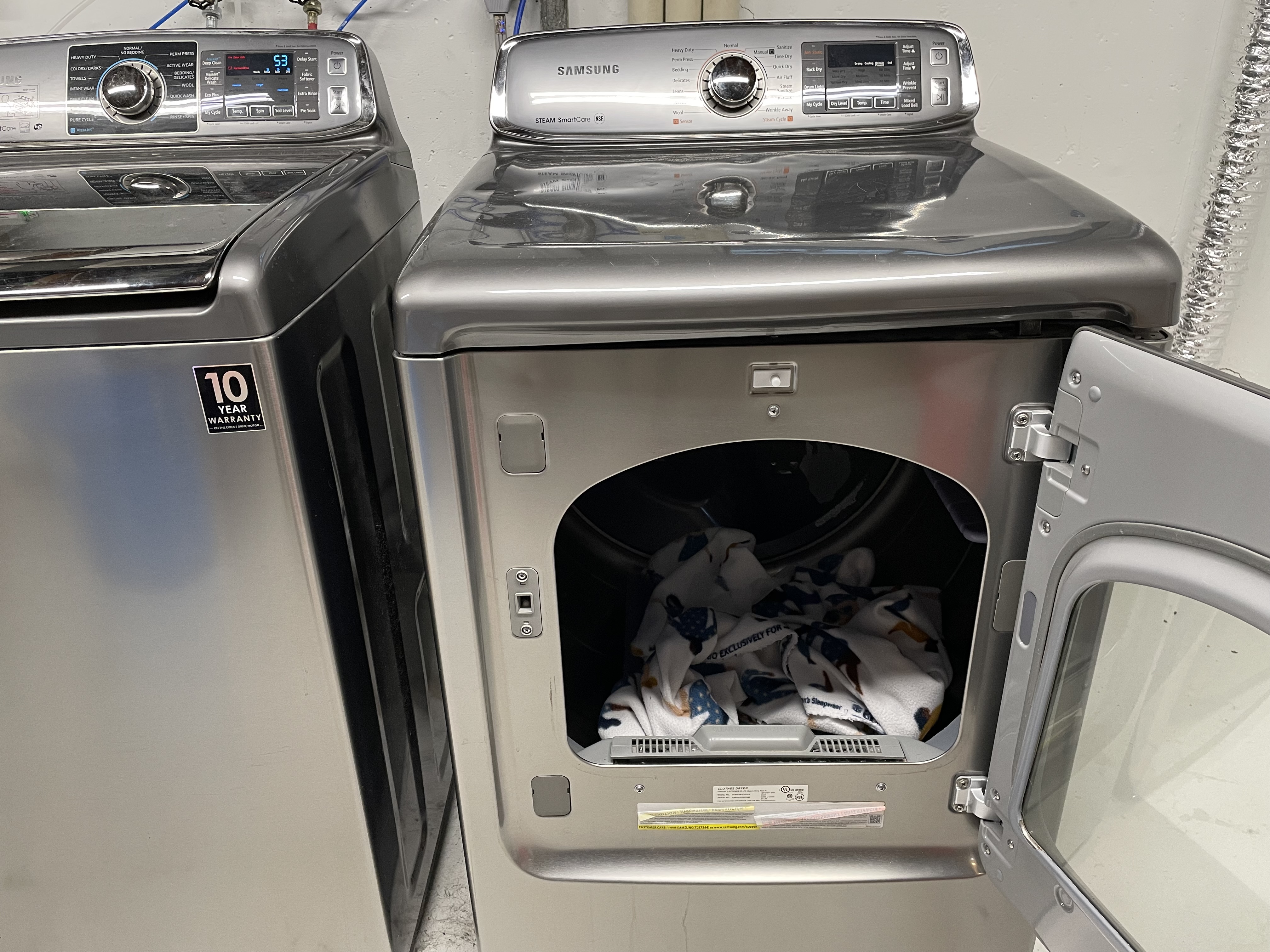
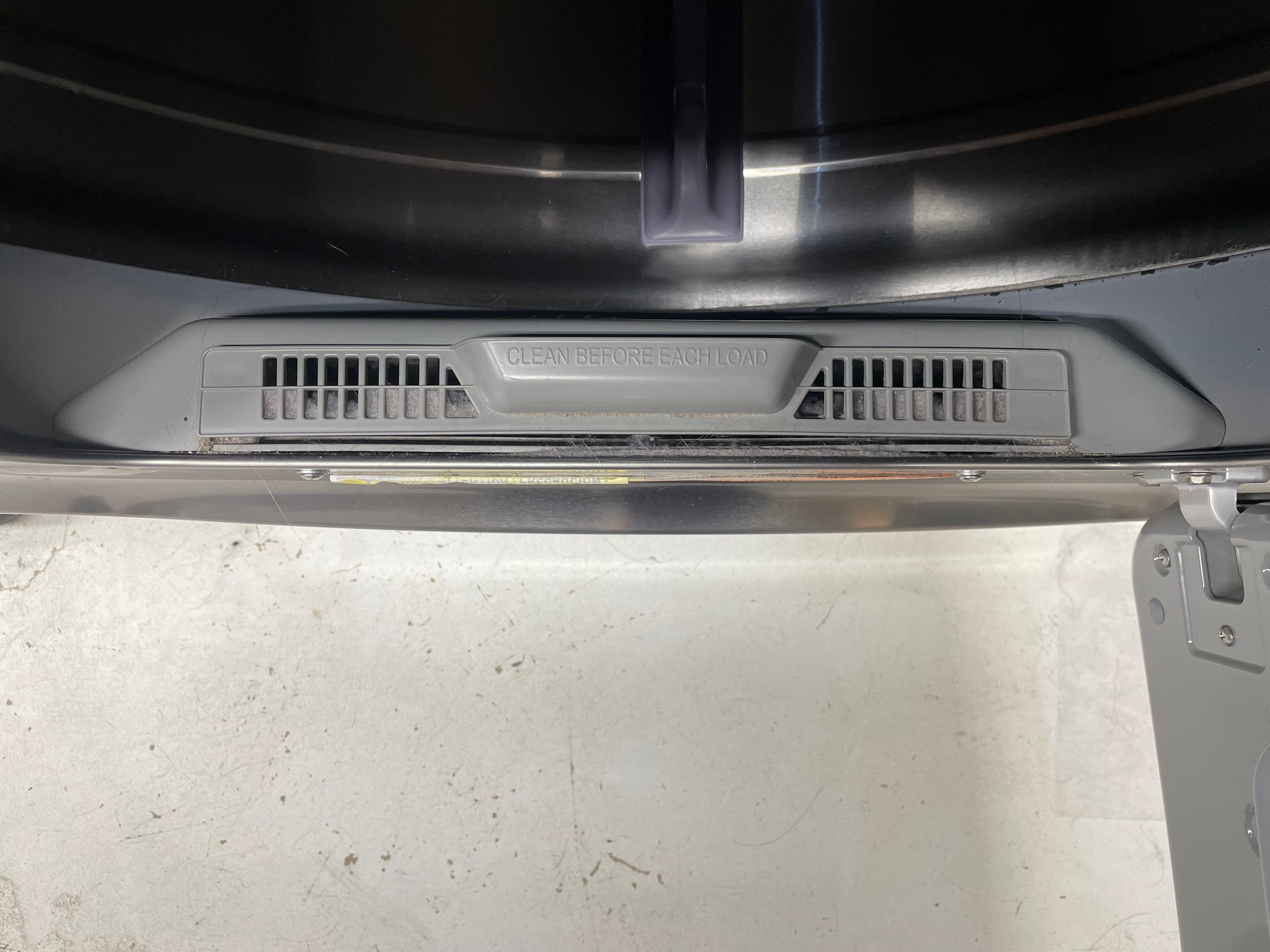
Take out the lint trap. In most cases, the lint traps slide in and out without any sort of securing system that must first be moved. Be careful not to tug too hard, but wiggle the trap a bit to each side if it's feeling stuck too tightly inside.
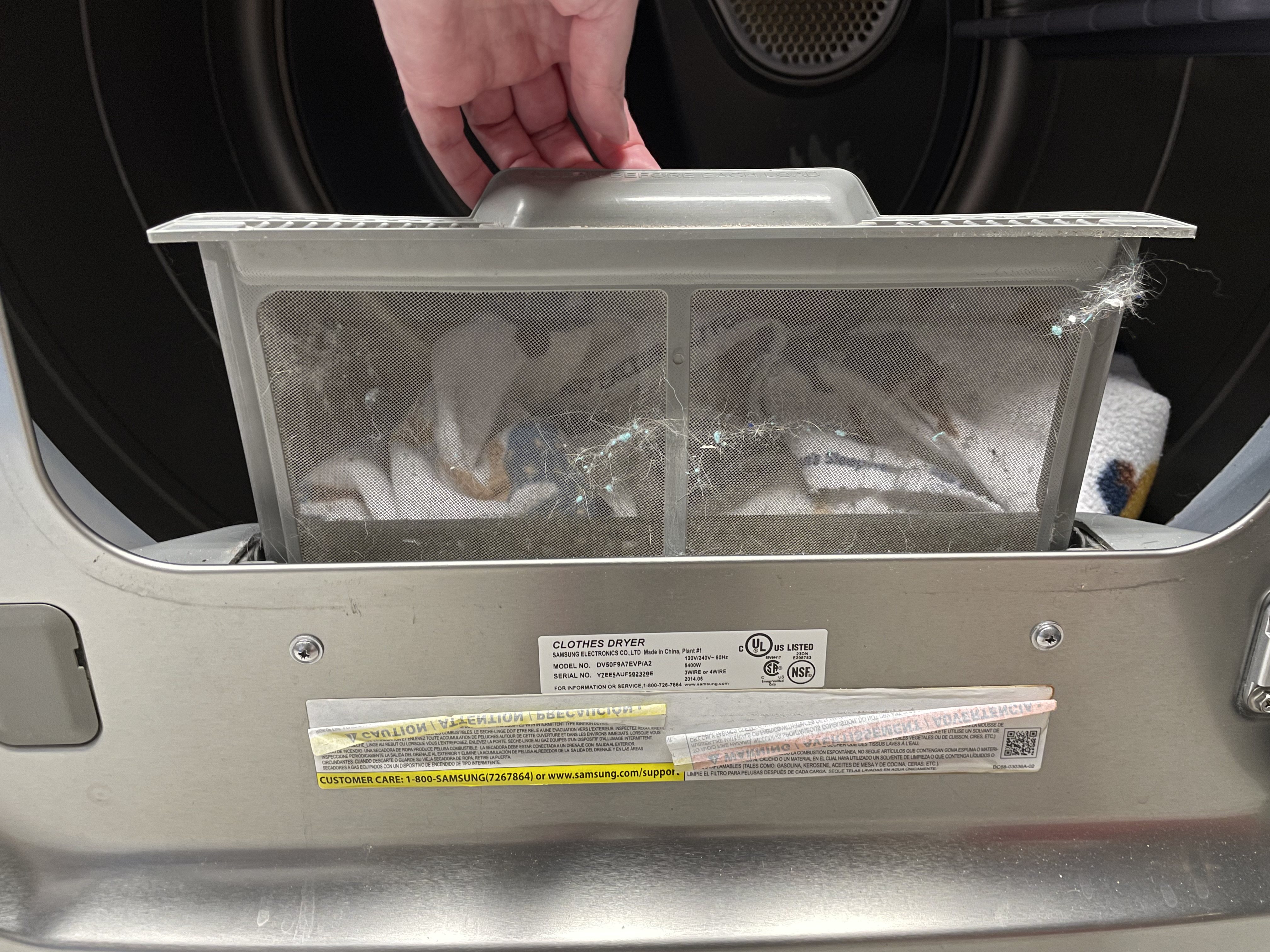
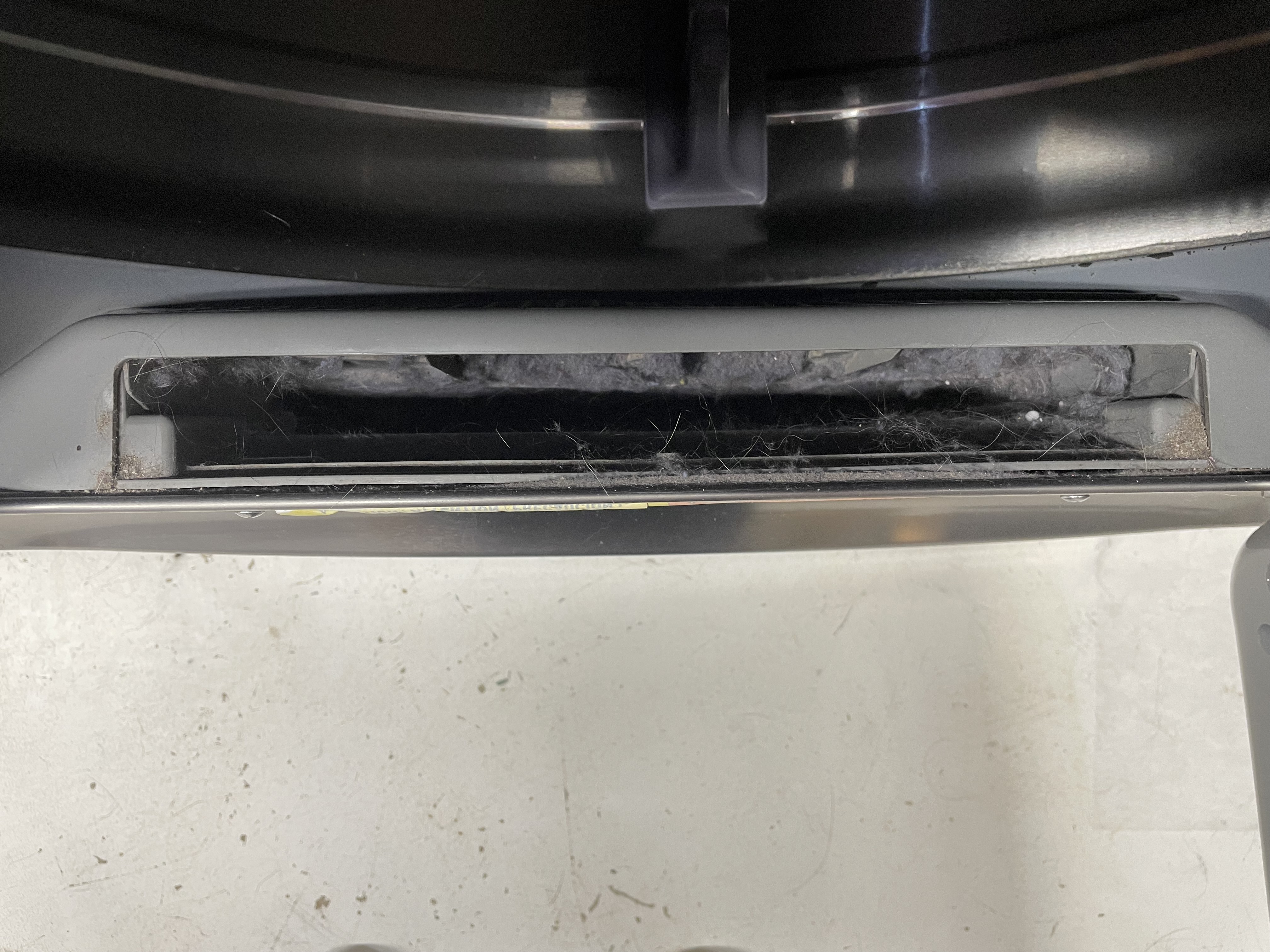
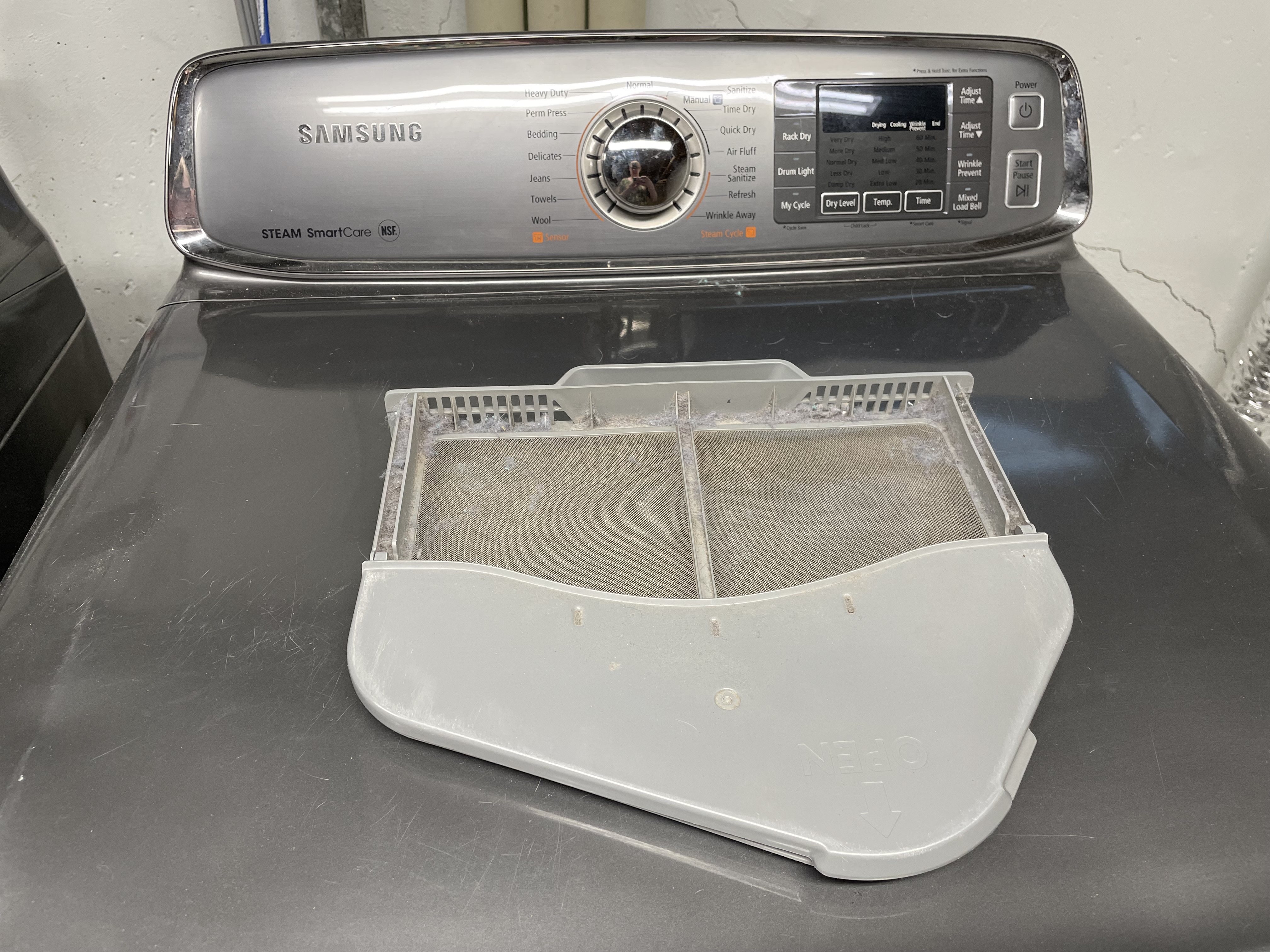
Most traps will let you pull the lint out from the tray at this point, though there is often another portion that is able to be opened to make it easier to reach inside all parts of the trap. For instance, in the images above, the trap can be accessed most easily by gently pulling on the solid gray panel until it pops open. It can be closed again with a simple snap.
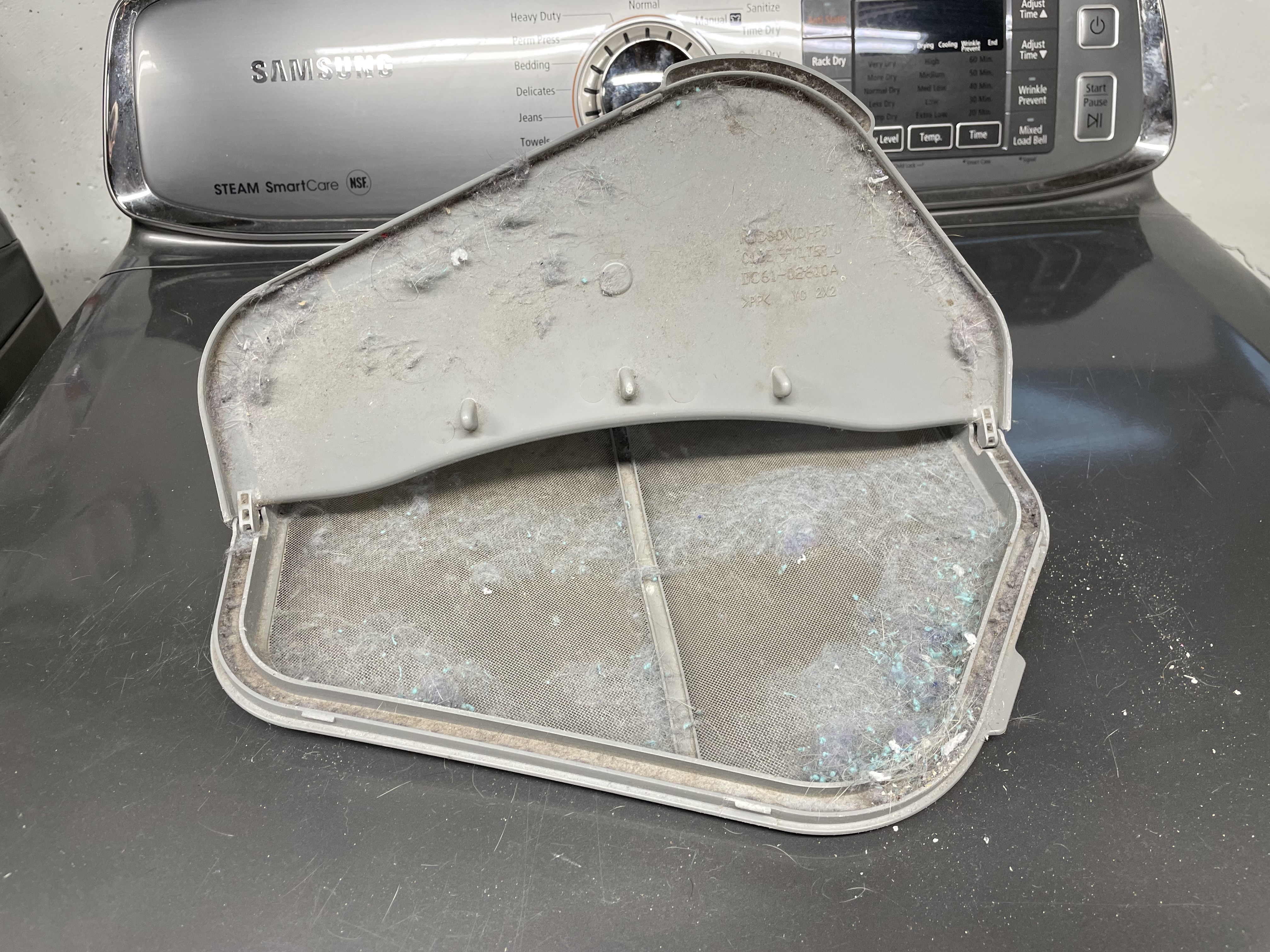
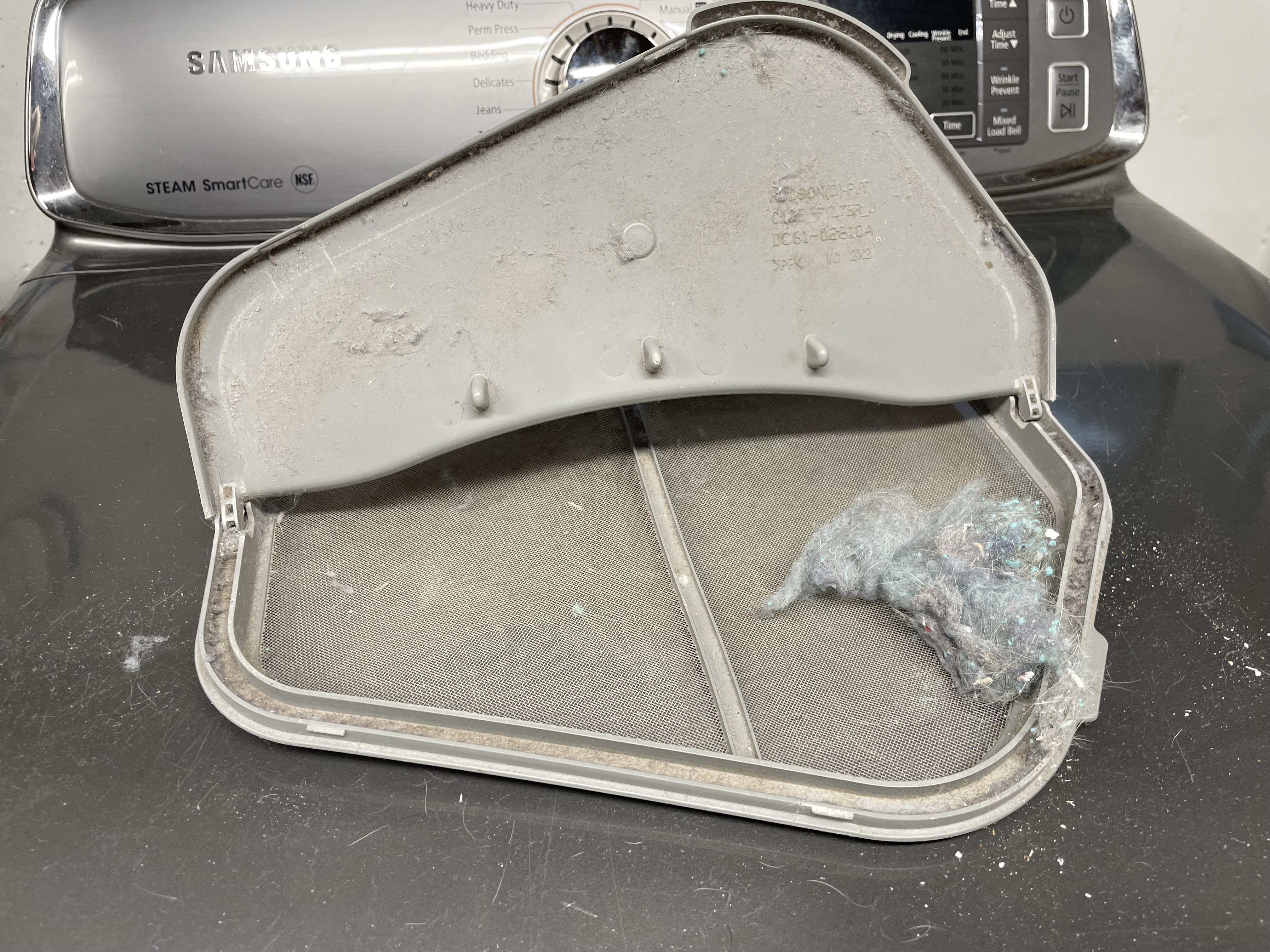
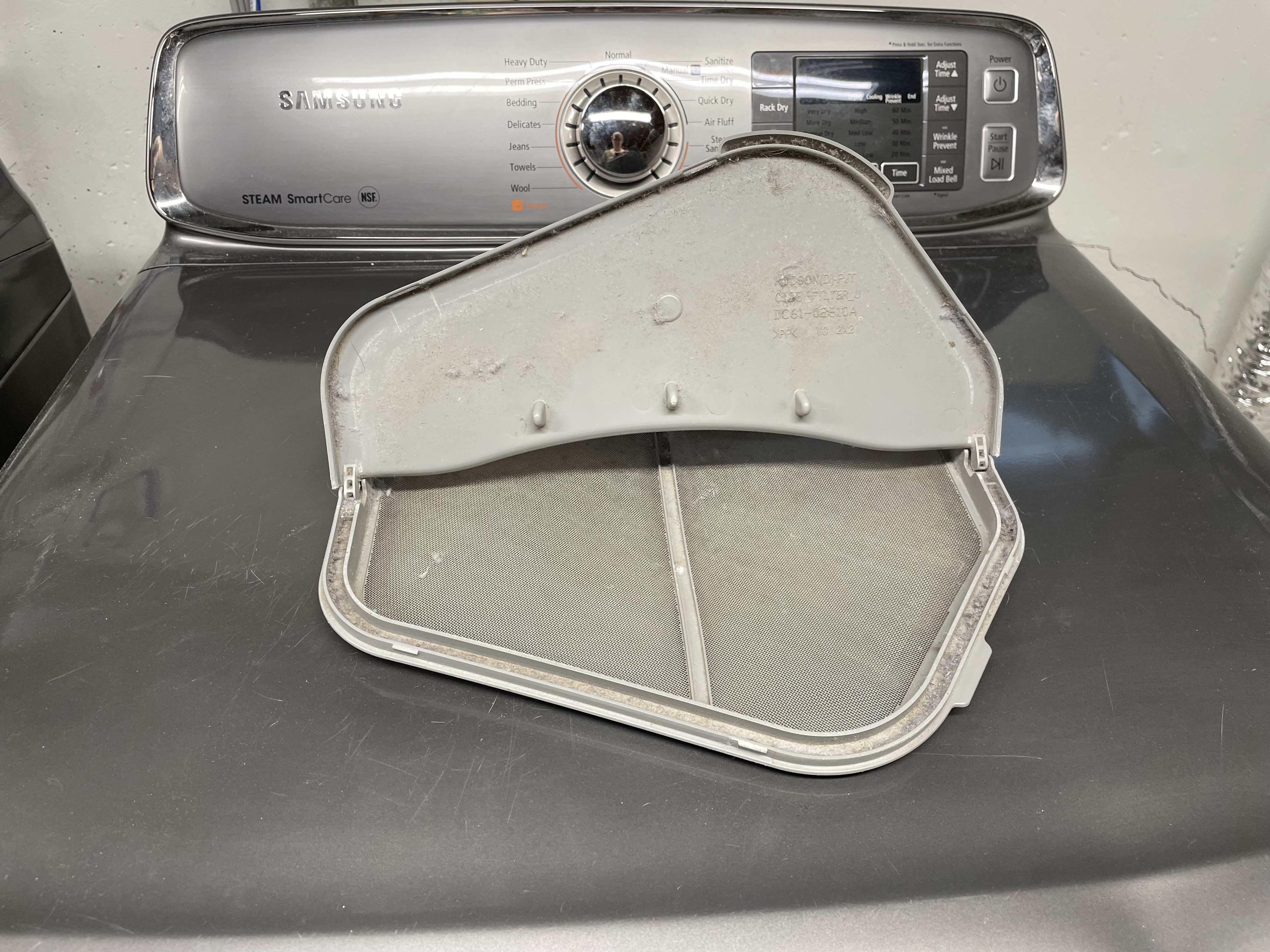
Dispose of any lint you removed (it can go in the regular trash) and return the lint trap to where it came from.
It should easily slide in and be flush with the dryer the same way as when you began. If it shows resistance, you may be putting it in upside down. Try to turn it to the other side and see if the fit is better.